
I♥NORWALK BIKE  WALK COMMISSION

Sidewalk Progress Across Norwalk, CT

Norwalk is closing sidewalk gaps, improving crossings and creating more accessible routes to schools, transit, businesses and neighborhoods. In 2025 alone, the City installed a record 10.9 miles of sidewalks; part of a broader commitment to streets that work better for people walking, rolling, biking, taking transit and driving.

New and improved sidewalks are helping connect people to the places that make Norwalk feel like home.

Frequently asked questions

How many miles of sidewalks did Norwalk install in 2025?

Norwalk installed a record 10.9 miles of sidewalks in 2025.

Which Norwalk sidewalk projects are underway in 2026?

Projects in active construction include South Norwalk school-area sidewalks, West Rocks Road, and Ward Street and Adams Avenue. The City also lists Chestnut Hill Road, George Avenue and Silvermine Avenue among projects in planning or design.

How do sidewalks improve pedestrian safety?

Sidewalks separate people walking and rolling from motor-vehicle traffic. FHWA research associates sidewalks with a 65% to 89% reduction in crashes involving pedestrians walking along roadways.

How do sidewalk projects help people who bike?

Sidewalks primarily serve pedestrians, but coordinated Complete Streets projects can pair them with traffic calming, safer crossings and bicycle facilities. This creates a more predictable street and a connected network designed for walkers, cyclists, transit riders and drivers.

Are the new sidewalks accessible?

Several current Norwalk projects specify five-foot-wide, ADA-compliant sidewalks, including West Rocks Road, Ward Street and Adams Avenue, and Chestnut Hill Road.

How can a resident report a sidewalk problem?

Submit a non-emergency request through Norwalk’s Click & Request service. The City routes the request to the appropriate department and provides electronic status updates; residents may also call Customer Service at 203-854-3200.

Why Sidewalks Matter

Safer space for walking & rolling

Sidewalks give people a dedicated place to travel outside motor-vehicle lanes. The Federal Highway Administration identifies sidewalks as a proven safety measure, associated with a 65% to 89% reduction in crashes involving pedestrians walking along roadways.

Better access for all ages & abilities

Continuous, ADA-compliant routes and curb ramps make everyday trips more accessible for people using wheelchairs, walkers and strollers. Federal accessibility standards require curb ramps where newly constructed or altered pedestrian routes meet streets and intersections

Stronger neighborhood connections

Connected sidewalks help people reach schools, bus stops, shops, parks and other everyday destinations. The CDC reports that safe, well-connected routes make it easier for people of all ages and abilities to walk, bike and roll—and can encourage more physical activity.

Safer streets for walkers & cyclists

Sidewalks are designed primarily for pedestrian travel, but they are an essential part of a complete street. When sidewalks are combined with safer crossings, traffic calming and dedicated bicycle facilities, each person has a clearer place to travel and conflicts between road users can be reduced. Norwalk’s Complete Streets Ordinance directs the City to consider safety, mobility and accessibility for people of every age, ability and travel mode

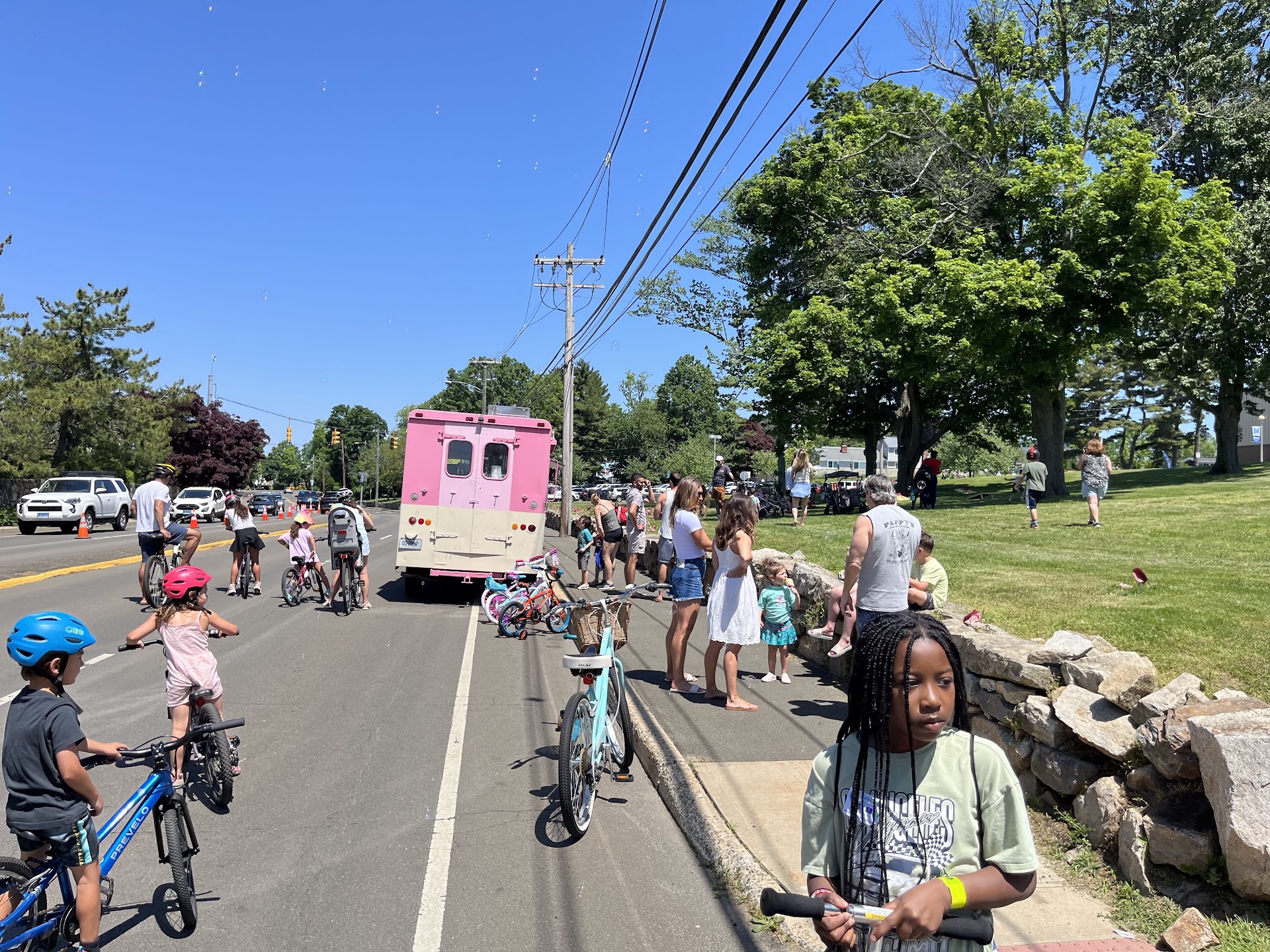
IMG_8760

Help Improve The Network

Residents are an important part of making Norwalk’s sidewalks safer and more reliable. Report cracked pavement, obstructions, missing signs, snow or ice concerns, or another non-emergency sidewalk problem through the City’s service-request system; submissions are routed to the responsible department, and residents can receive progress updates electronically